

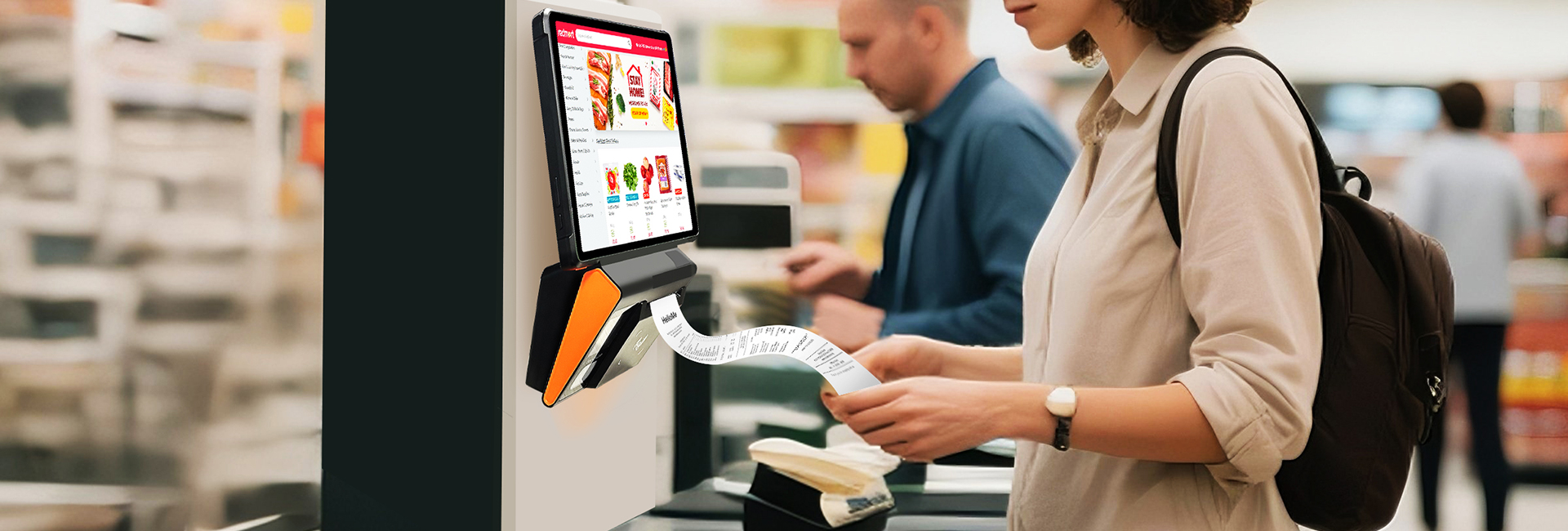
POS Smart Terminals: The Core Hub of New Retail Digitalization
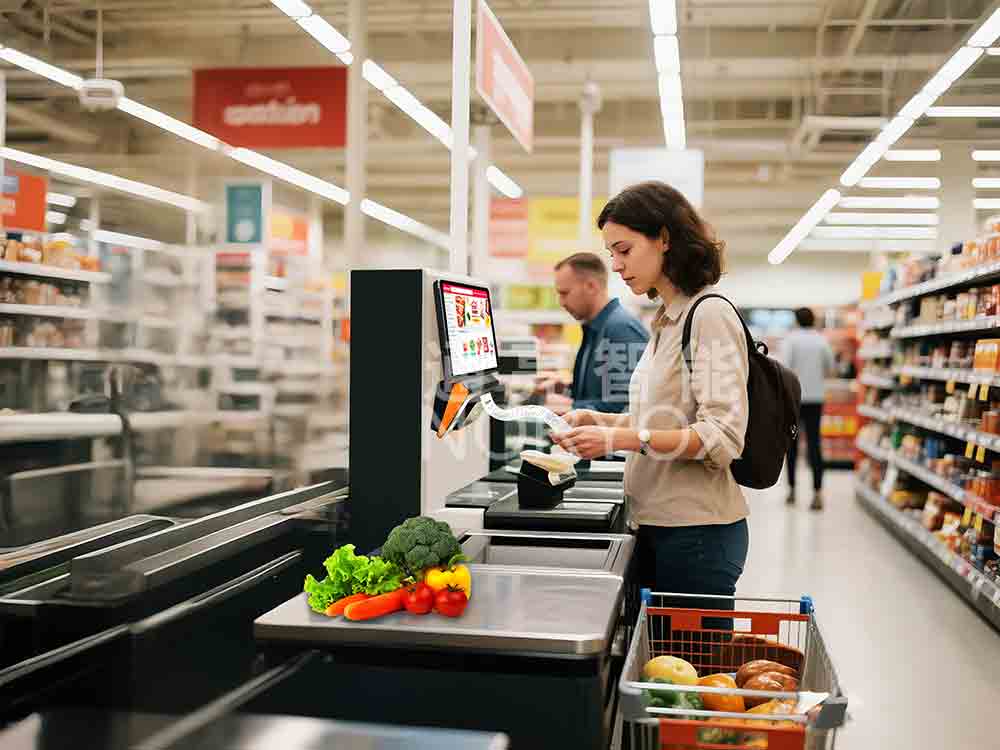
The wave of digitalization is reshaping the offline business ecosystem: self-checkout in supermarkets enables “scan and go,” mobile ordering in restaurants simplifies service processes, and self-service terminals in hotels accelerates check-in efficiency… Behind these conveniences, intelligent commercial devices represented by POS smart terminals have become the core infrastructure supporting the digitalization of urban commerce.
As a benchmark enterprise in the field of intelligent commercial terminal solutions, Tongliang Intelligent, founded in Bao’an District, Shenzhen, ranks among the industry’s first tier with its profound technical accumulation and global service network. It serves over 30,000 customers worldwide, not only providing customized solutions for business entities such as O2O platforms, internet distributors, and software developers but also deeply participating in terminal deployment across diverse scenarios including food delivery systems, smart parking, government tax control, and digital recharge. Relying on full-chain R&D capabilities, Tongliang Intelligent focuses on OEM/ODM services, offering end-to-end solutions to global partners from hardware architecture design and software system integration to full-lifecycle operation and maintenance, thus acting as a key link connecting technological innovation and business implementation.
Core Advantages of POS Smart Terminals in New Retail
In the era of new retail, POS systems have transcended the “single checkout” function and become an “accelerator” for operational efficiency through full-link digital capabilities. Their core advantages are reflected in seven dimensions:
- Full-scenario payment ecosystem: Supporting NFC contactless payments, QR code scanning, and mainstream mobile wallets to meet diverse needs.
- Cloud-based data collaboration: Real-time data synchronization across stores, breaking time and space boundaries.
- Intelligent inventory linkage: Optimizing supply chain efficiency through automatic tracking and demand forecasting.
- Lightweight operation design: Lowering operational thresholds for small and medium-sized retail enterprises.
- Security and compliance system: Strengthening data defense in accordance with PCI DSS standards.
- Global adaptation capabilities: Supporting multi-language interfaces and multi-currency settlement for scenario expansion.
- Full-link system integration: Closing the business loop with open interfaces for seamless integration.
Noryox POS System: A Practical Solution for Demand Implementation
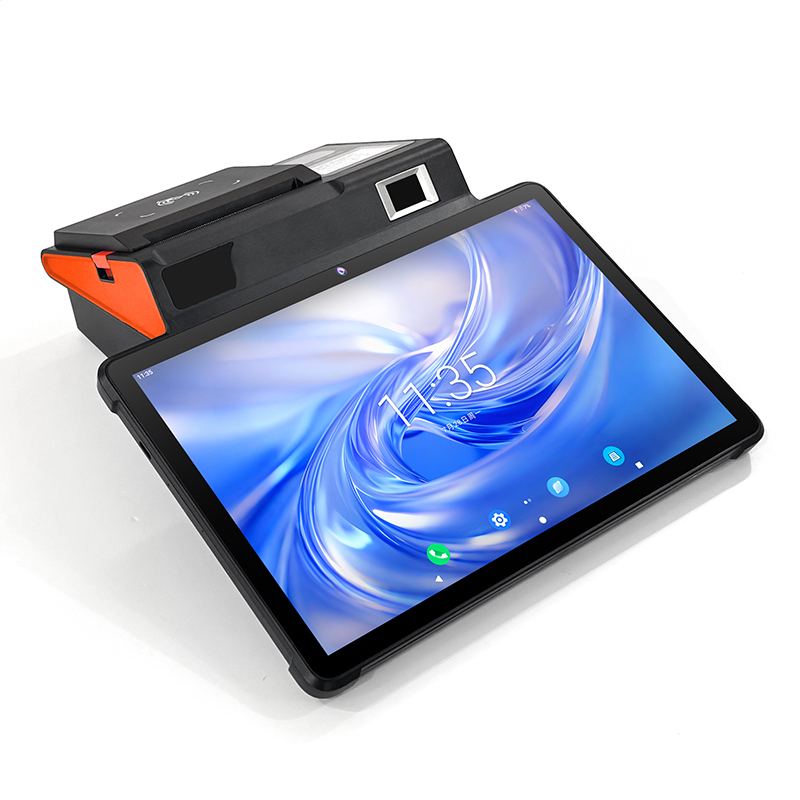
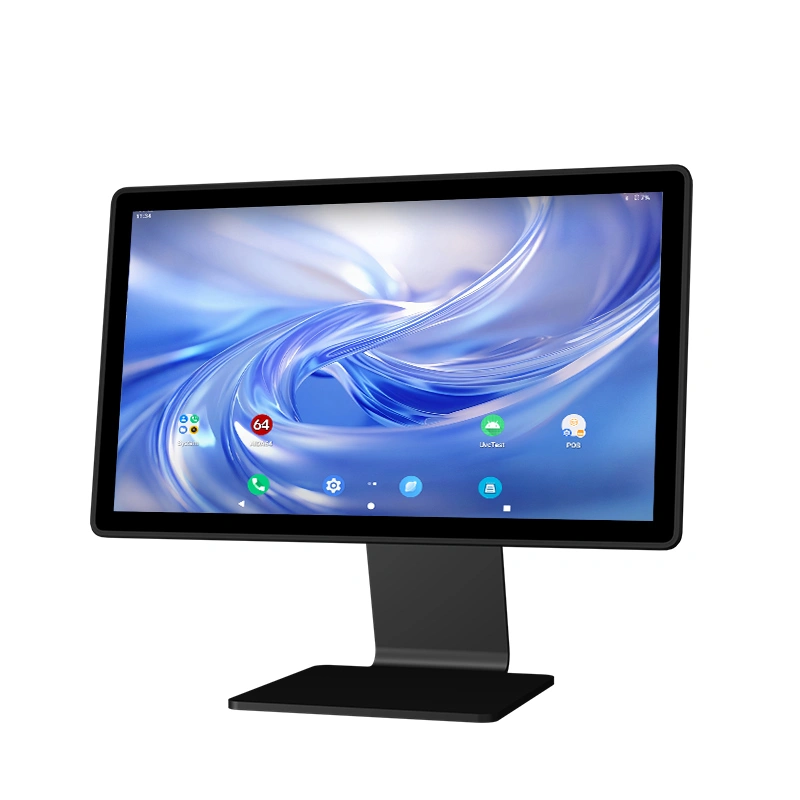
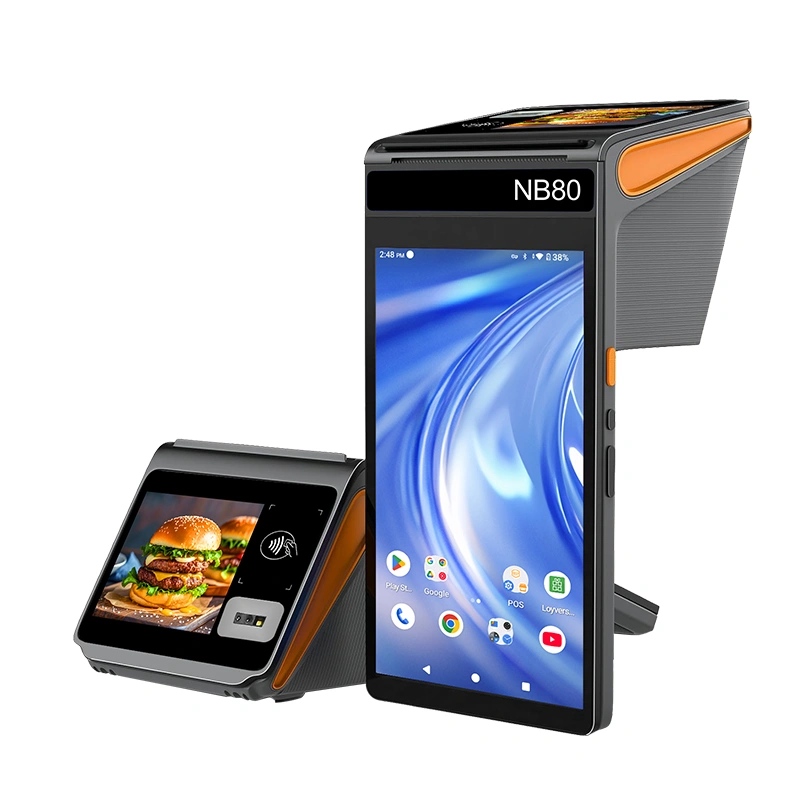
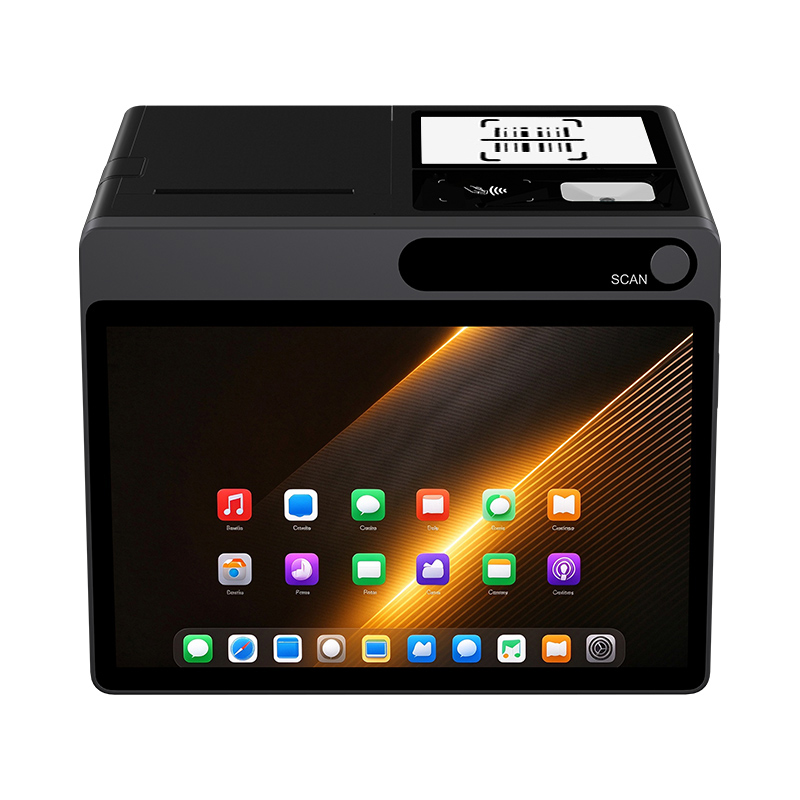
Noryox’s models such as NB80T and NB11T respond to new retail needs through in-depth collaboration between hardware and software: the hardware integrates multi-mode intelligent payment modules, natively supporting contactless payments and mobile wallets; the cloud system realizes real-time data synchronization, and multi-language settings adapt to the global market, providing retail enterprises with an integrated “payment-data-security” solution.
Frequently Asked Questions
1. What payment methods should POS systems for small retailers support in 2025?
They need to cover contactless NFC payments, QR code scanning, mainstream mobile wallets, etc., adapting to over 95% of consumer payment scenarios.
2. What is the value of cloud synchronization for small retailers?
The core value lies in “cost reduction, efficiency improvement + data security”:
- In multi-store scenarios, it can synchronize sales data, inventory changes, and member information in real-time. Store owners can remotely check the revenue of each store, adjust pricing or promotion strategies through mobile phones/computers without on-site management;
- There is no need to build a self-owned server, saving hardware procurement and maintenance costs, and lowering the IT investment threshold for small and medium-sized merchants;
- Data is automatically encrypted and backed up in the cloud, avoiding information loss caused by local device failures, which is the foundation for multi-store expansion and stable operation.
3. How does POS inventory management help small and medium-sized retailers?
It solves the pain points of traditional manual management through “automation + intelligence”:
- Automatic tracking: Inventory is deducted in real-time during sales, and inbound/return data is updated synchronously, reducing errors in manual bookkeeping (according to industry data, it can reduce errors by more than 70%);
- Intelligent warning: Set a minimum inventory threshold, and automatically remind when stock is low to avoid out-of-stock of best-selling products affecting sales;
- Optimize turnover: Identify slow-moving products through inventory reports, conduct timely promotions to clear inventory, reduce capital occupation, and improve cash flow.
4. Can Noryox POS integrate with online stores?
Yes, it supports connection with mainstream e-commerce platforms to realize unified management of online and offline sales and inventory.
Conclusion
Choosing a suitable POS smart terminal is a strategic decision for retail enterprises to cope with the challenges of new retail. By focusing on core capabilities such as full-scenario payment, cloud-based data management, and security compliance, retail entities can not only improve operational efficiency but also use data-driven precise services to gain an advantage in the 2025 retail competition.
POS Smart Terminals: The Core Hub of New Retail Digitalization
The wave of digitalization is reshaping the offline business ecosystem: self-checkout in supermarkets enables “scan and go,” mobile ordering in restaurants simplifies service processes, and self-service terminals in hotels accelerates check-in efficiency… Behind these conveniences, intelligent commercial devices represented by POS smart terminals have become the core infrastructure supporting the digitalization of urban commerce.
As a benchmark enterprise in the field of intelligent commercial terminal solutions, Tongliang Intelligent, founded in Bao’an District, Shenzhen, ranks among the industry’s first tier with its profound technical accumulation and global service network. It serves over 30,000 customers worldwide, not only providing customized solutions for business entities such as O2O platforms, internet distributors, and software developers but also deeply participating in terminal deployment across diverse scenarios including food delivery systems, smart parking, government tax control, and digital recharge. Relying on full-chain R&D capabilities, Tongliang Intelligent focuses on OEM/ODM services, offering end-to-end solutions to global partners from hardware architecture design and software system integration to full-lifecycle operation and maintenance, thus acting as a key link connecting technological innovation and business implementation.
Core Advantages of POS Smart Terminals in New Retail
In the era of new retail, POS systems have transcended the “single checkout” function and become an “accelerator” for operational efficiency through full-link digital capabilities. Their core advantages are reflected in seven dimensions:
- Full-scenario payment ecosystem: Supporting NFC contactless payments, QR code scanning, and mainstream mobile wallets to meet diverse needs.
- Cloud-based data collaboration: Real-time data synchronization across stores, breaking time and space boundaries.
- Intelligent inventory linkage: Optimizing supply chain efficiency through automatic tracking and demand forecasting.
- Lightweight operation design: Lowering operational thresholds for small and medium-sized retail enterprises.
- Security and compliance system: Strengthening data defense in accordance with PCI DSS standards.
- Global adaptation capabilities: Supporting multi-language interfaces and multi-currency settlement for scenario expansion.
- Full-link system integration: Closing the business loop with open interfaces for seamless integration.
Noryox POS System: A Practical Solution for Demand Implementation
Noryox’s models such as NB80T and NB11T respond to new retail needs through in-depth collaboration between hardware and software: the hardware integrates multi-mode intelligent payment modules, natively supporting contactless payments and mobile wallets; the cloud system realizes real-time data synchronization, and multi-language settings adapt to the global market, providing retail enterprises with an integrated “payment-data-security” solution.
Frequently Asked Questions
1. What payment methods should POS systems for small retailers support in 2026?
They need to cover contactless NFC payments, QR code scanning, mainstream mobile wallets, etc., adapting to over 95% of consumer payment scenarios.
2. What is the value of cloud synchronization for small retailers?
The core value lies in “cost reduction, efficiency improvement + data security”:
- In multi-store scenarios, it can synchronize sales data, inventory changes, and member information in real-time. Store owners can remotely check the revenue of each store, adjust pricing or promotion strategies through mobile phones/computers without on-site management;
- There is no need to build a self-owned server, saving hardware procurement and maintenance costs, and lowering the IT investment threshold for small and medium-sized merchants;
- Data is automatically encrypted and backed up in the cloud, avoiding information loss caused by local device failures, which is the foundation for multi-store expansion and stable operation.
3. How does POS inventory management help small and medium-sized retailers?
It solves the pain points of traditional manual management through “automation + intelligence”:
- Automatic tracking: Inventory is deducted in real-time during sales, and inbound/return data is updated synchronously, reducing errors in manual bookkeeping (according to industry data, it can reduce errors by more than 70%);
- Intelligent warning: Set a minimum inventory threshold, and automatically remind when stock is low to avoid out-of-stock of best-selling products affecting sales;
- Optimize turnover: Identify slow-moving products through inventory reports, conduct timely promotions to clear inventory, reduce capital occupation, and improve cash flow.
4. Can Noryox POS integrate with online stores?
Yes, it supports connection with mainstream e-commerce platforms to realize unified management of online and offline sales and inventory.
Conclusion
Choosing a suitable POS smart terminal is a strategic decision for retail enterprises to cope with the challenges of new retail. By focusing on core capabilities such as full-scenario payment, cloud-based data management, and security compliance, retail entities can not only improve operational efficiency but also use data-driven precise services to gain an advantage in the 2026 retail competition.
Retail Applications
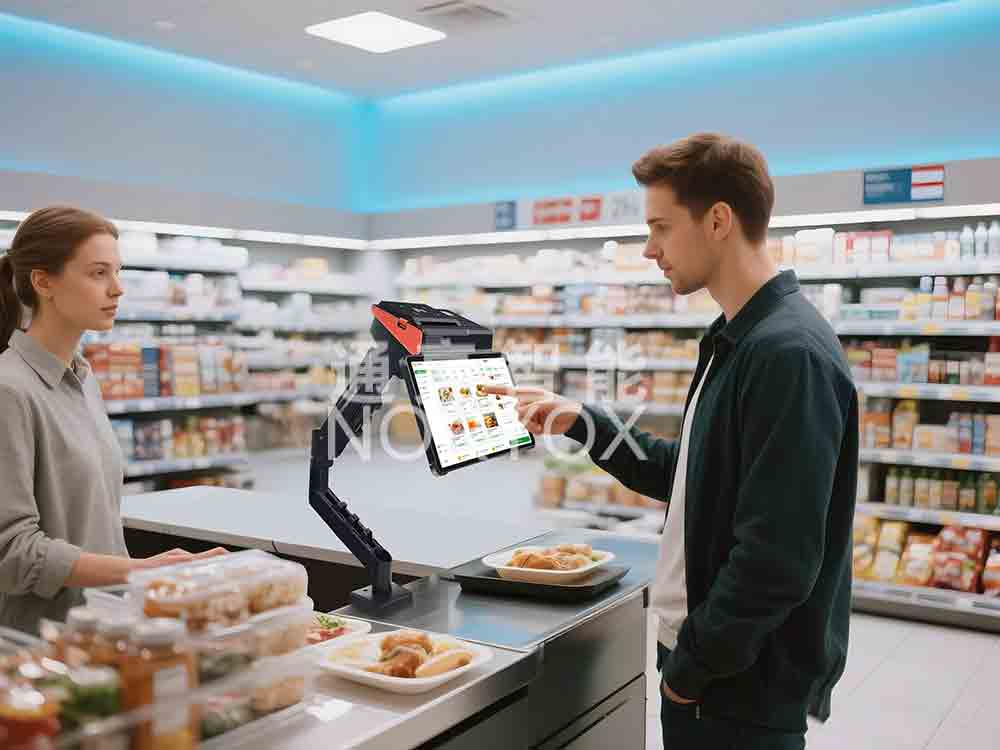
Supermarkets
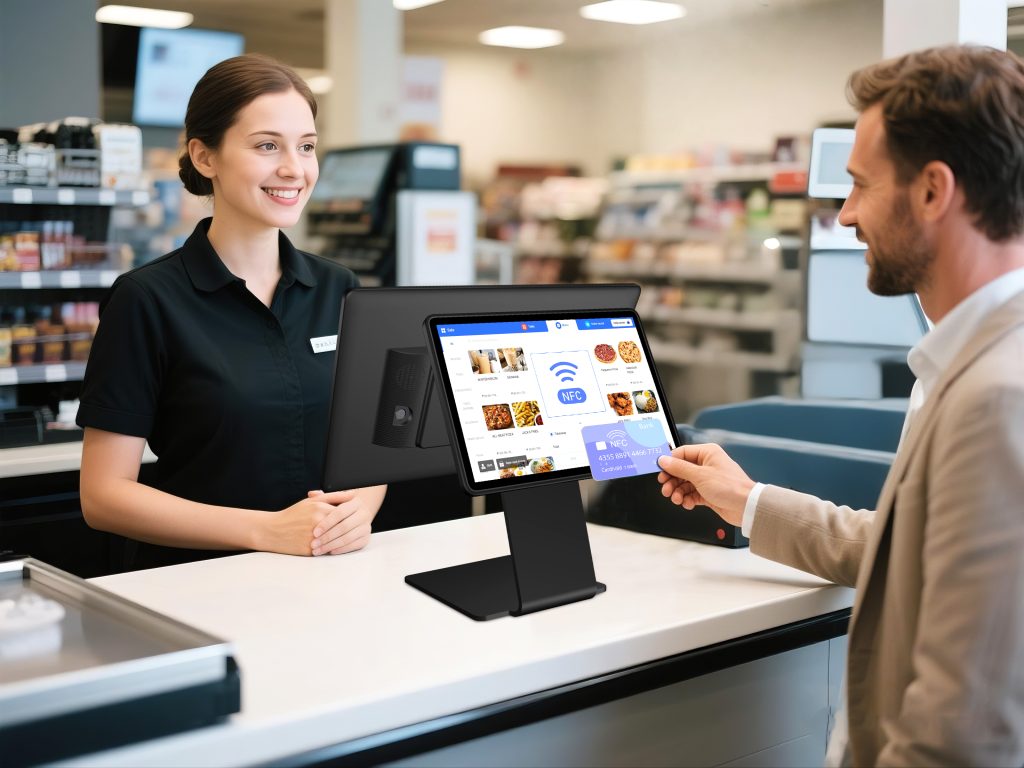
Convenience Stores
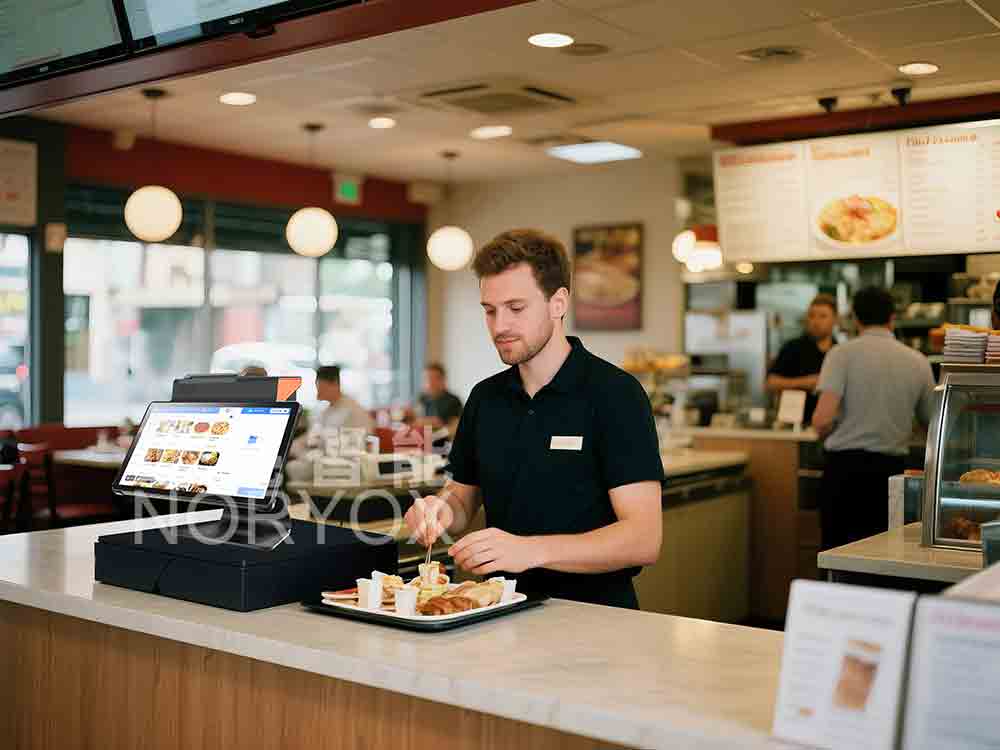
Specialty Retail
Chain Stores
Retail POS Terminals